Raising chickens at home has become popular, and people want an easy way to get started. Some choose ready-made chicken coops for sale, while others prefer to build their own with a simple DIY project. Both options can give chickens a safe, comfortable home and make caring for them easier.
Shoppers will find coop sizes and styles for different yards and flock sizes. Design features like good airflow, easy access, and protection from animals help keep chickens healthy. Each person can decide which option matches their budget, style, and needs.
Key Takeaways
- Different coop choices suit a range of spaces and goals.
- Healthy chickens need proper design and features.
- DIY coops and store-bought coops both have benefits for new chicken owners.
Understanding Chicken Coops
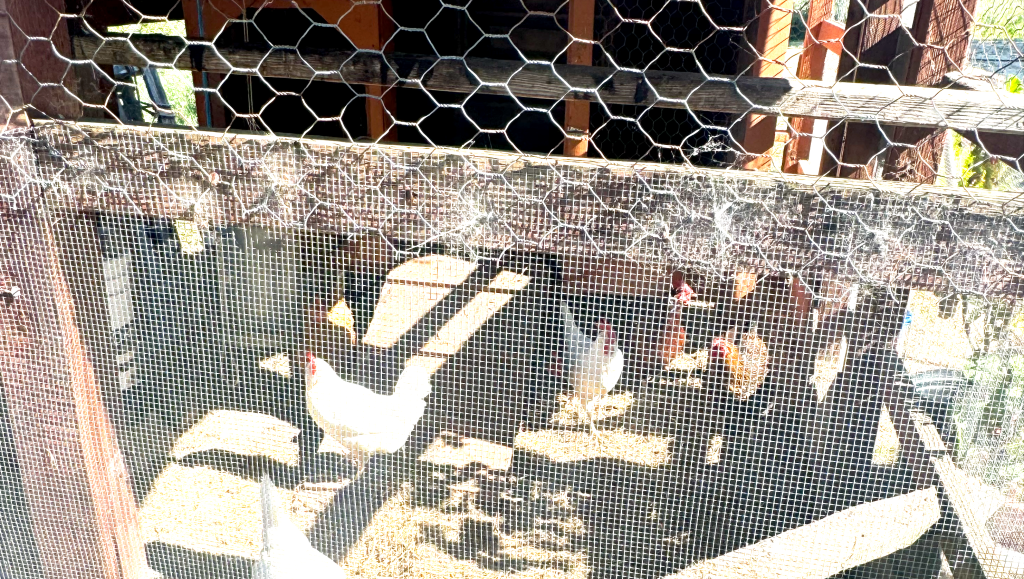
Chicken coops are safe shelters for chickens to sleep, lay eggs, and stay protected. Building or buying the right chicken coop takes careful planning and practical choices.
Types of Chicken Coops
There are several main types of chicken coops. Stationary coops stay in one spot. These usually have a fenced chicken run attached so chickens can go outside but stay protected from predators. Movable coops, also called chicken tractors, are lighter and can be moved to give chickens fresh grass.
Walk-in coops are taller and let people stand inside to clean or collect eggs. Small portable coops work well for smaller flocks or backyard use. Each type has its own purpose and fits different spaces and needs.
Some coops are basic with just a shelter, while others include a secure run. Picking the right kind depends on flock size, yard space, and how often chickens need to be moved to new ground. Amazon has a great selection of Stationary coops, Movable coops, Walk-in coops, and Small portable coops!
Essential Chicken Coop Features
A good chicken coop must keep chickens safe from predators. Strong locks, Metal Latches, and Secure Wiring help stop animals like raccoons or foxes from getting in. Good ventilation is also important to let fresh air flow in while preventing cold drafts.
Chickens need protection from bad weather, so a solid roof and covered sides matter. Nesting boxes are needed for egg-laying, and should be easy for hens to reach. Perches or roosting bars give chickens a place to sleep off the ground.
Easy cleaning is another key feature. Removable trays or wide doors help people clean poop or old bedding. Proper floor space is needed—plan on at least 2–4 square feet per chicken inside the coop.
Chicken Coop Location
The spot for a chicken coop affects health, safety, and ease of use. Place the chicken coop on high ground to avoid flooding after rain. Sunlight is important, so look for a spot with some sun and shade during the day.
The chicken run should fit nearby so chickens can exercise safely. Keep the coop close enough to the house for easy access, but far enough to avoid crowding or unwanted smells.
Avoid areas near thick bushes or woodpiles where predators might hide. Make sure the location allows for cleaning, adding food and water, and collecting eggs without too much hassle. Good planning prevents future problems and helps chickens stay healthy.
Space and Design Requirements
Correct space and smart design choices are important for keeping chickens healthy. These decisions also help reduce cleaning hassles and keep birds safe from weather and predators.
Chicken Coop Size Guidelines
Choosing the right size for a chicken coop depends on the number of birds and their breed. Standard recommendations are:
- 4 square feet per chicken inside the coop
- 8-10 square feet per chicken in an outside run
For urban chicken coops, space is often limited. Small backyard coops should still follow basic space requirements to prevent crowding, pecking, or stress.
A simple size table can help:
| Number of Chickens | Coop Size (sq. ft.) | Run Size (sq. ft.) |
|---|---|---|
| 2-3 | 8-12 | 16-30 |
| 4-6 | 16-24 | 32-60 |
| 7-10 | 28-40 | 56-100 |
Proper space helps maintain air quality, reduces disease risk, and makes cleaning easier. When planning DIY coop projects, double-check the final area matches chicken coop size guidelines.
Optimal Coop Design Choices
A good coop design keeps chickens comfortable and safe. It needs proper ventilation to prevent moisture buildup and strong walls to block predators. Use wire mesh for windows and doors.
Nesting boxes should be at least one box for every three hens and easy to clean. Roosting bars should be higher than the nest boxes and spaced to let birds sleep side-by-side without crowding.
A sloped roof lets rain and snow slide off. For urban chicken coops, pick materials that are easy to clean and won’t rot. Removable floors, large doors, and hinged roofs make regular maintenance much simpler.
Simple layouts based on proven coop plans work best. Focus on easy access to eggs, safe entry points, and enough room for each chicken. Secure fencing around the outside run is also important for extra safety.
Chicken Coops for Sale: What to Know
When buying a chicken coop or hen house, people need to look closely at both the materials used and the features offered in coop kits. Picking a sturdy, safe home for chickens is important for their health and safety.
Choosing Quality Materials
Quality materials make a big difference in how long a chicken coop will last and how comfortable it is for the chickens. Coops built from solid wood, like cedar or treated pine, resist rot and pests better than softer or untreated wood. Metal hardware and strong latches keep predators out.
The roof should be made from waterproof materials such as metal or asphalt shingles. This helps keep rain and snow outside. Good ventilation is important too. Look for vents or windows made from durable wire mesh to protect chickens while letting in fresh air.
Many coop kits may use thin wood or plastic panels. It’s important to check if these will stand up to the local weather. If unsure about a coop’s build, ask for specific material details before buying.
Evaluating Coop Kits
A chicken coop kit can save time or DIY work, but the quality and ease of assembly can vary. Most kits arrive flat-packed. Check that the package includes clear instructions and all hardware, such as screws, hinges, and locks.
The coop size should match the number of chickens planned for the space. Most chickens need at least 2-3 square feet inside the coop and 8-10 square feet in the outside run. Make sure the kit features secure doors, a sturdy floor or wire base, and easy ways to clean.
Read reviews to see if people have trouble putting together certain hen house kits. If assembly needs special tools or skills, that should also be clear before buying. Carefully compare features like nesting boxes, perches, and doors when looking at different coop kits.
DIY Coop Projects
Many people choose to build their own chicken coops at home. This allows for more control over the design, materials, and cost. Having a solid plan and the right resources helps make a backyard chicken coop both safe and comfortable for the birds.
Finding Trusted Coop Plans
Reliable coop plans are one of the most important things to look for before starting. Detailed blueprints that include measurements, materials lists, and step-by-step instructions are key. A trusted website we recommend is easycoops.com!
Things to look for in DIY coop plans:
- Space for each chicken (2-4 sq. ft. per bird)
- Proper ventilation and windows for airflow
- Easy access to nesting boxes and roosts
- Weather protection for local climates
- Secure doors and locks to keep out predators
Some plans also include tips for building with recycled or low-cost materials. Always check reviews and photos from people who have used the plans. This helps make sure the plans are clear and proven to work.
Building Your Own Chicken Coop
When starting a DIY chicken coop, it is best to gather all materials and tools before beginning construction. People often use plywood, fencing, hardware cloth, and hinges. Using treated wood can help coops last longer outdoors.
A backyard chicken coop should be built on level ground and raised off the soil to avoid flooding. See the table below for a basic supply checklist:
| Material | Use |
|---|---|
| Plywood | Walls, floor, roof |
| Hardware cloth | Windows, vents |
| Hinges & latches | Doors, access points |
| Shingles or metal | Roofing |
Building goes faster by working in steps: frame the base, add walls, install the roof, then place the doors and windows. Plans often share photos or diagrams for each stage to avoid mistakes.
If possible, test the coop for draft-free shelter and good security before moving chickens in. Even a small DIY project can meet a flock’s needs if built with care.
Key Features for Healthy Chickens
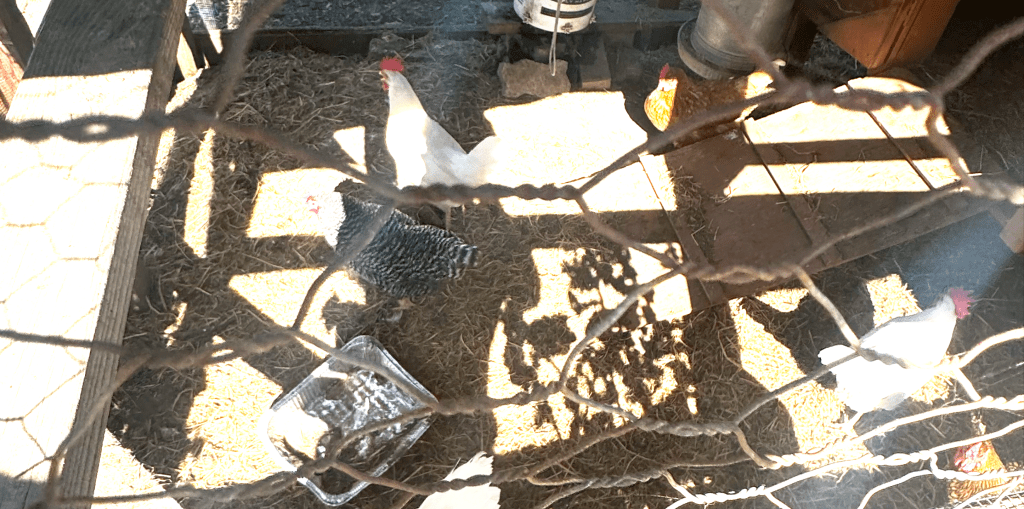
Chickens need safe places to sleep, lay eggs, and rest. Good coop designs keep birds healthy and make taking care of them much easier.
Roosting Bars and Nesting Boxes
Roosting bars give chickens a secure perch to sleep at night. These bars should be set higher than the nesting boxes to encourage chickens to roost and not sleep where they lay eggs. A sturdy bar about 2-4 inches wide works well for most breeds. Wood is a common choice because it is gentle on their feet.
Nesting boxes provide a comfortable, clean place for hens to lay eggs. A standard size is about 12x12x12 inches. Place the boxes in a quiet, darker corner of the coop to make the hens feel safe. Fill them with clean straw or wood shavings for comfort and easy cleaning.
Having the right number of roosting bars and nest boxes matters. Provide at least 8-10 inches of roosting space per chicken and one nesting box for every 3-4 hens. This helps prevent squabbles and keeps the coop peaceful.
Efficient Egg Collection
An efficient egg collection system saves time and protects eggs from damage. Nesting boxes with a slight forward tilt allow eggs to roll gently into a covered tray. This keeps eggs clean and reduces the risk of breakage or hens pecking at them.
Removable or external nest boxes make it easy to collect eggs without disturbing the chickens. Some coops have a hinged lid on the outside, so owners don’t have to go inside the coop every day. This also helps keep bedding and eggs clean.
Good egg collection reduces waste and makes daily care less stressful for both chickens and owners. Clean eggs are less likely to carry bacteria, so paying attention to egg collection setup is important for both health and safety.
Specialty and Urban Coop Solutions
Specialty chicken coops fit unique spaces and needs. Smaller yards and tight city spaces often require different layouts, materials, and sizes than large farm coops.
Urban Chicken Coops
Urban chicken coops are designed to fit small backyards or patios. They often use lightweight materials and smart designs to save space and meet local rules. Many city rules require a chicken coop to have a covered run and a structure that keeps chickens safe from predators.
Some popular features in urban coops are built-in nesting boxes, easy-clean trays, and wire-mesh panels for airflow and security. Noise and odor control are important, so urban chicken coops usually have secure doors and sometimes odor-reducing bedding.
Below is a list of key features for urban chicken coops:
- Space-saving designs with two levels or vertical roosts
- Easy to move or clean
- Strong locks and fencing
- Waterproof roofs or siding
Urban coops for sale often include wheels or handles so they can be moved to sunnier or shadier areas as needed.
A-Frame and Compact Coop Ideas
An a-frame coop is a simple, compact style that fits well in many backyards. Its triangle shape lets rain run off and gives chickens a sheltered spot while taking up less space than large, traditional coops.
A-frame coops often come as DIY kits or simple plans, making them a good project for beginners. They usually include a small covered roost and an open run underneath. These coops are light enough to move but sturdy enough to protect hens from weather and animals.
Most compact coops use wood, wire, and easy-access doors for feeding and cleaning. Some add wheels to make moving easier in small yards. Because of their size, a-frame coops work well for people who keep only a few chickens and want to use limited backyard space efficiently.
| Type | Size | Benefits |
|---|---|---|
| A-frame | 2-4 chickens | Lightweight, easy to build |
| Compact Coop | 2-6 chickens | Fits tight spaces, movable |
Educational Benefits and Raising Chickens
Raising chickens is a hands-on way to teach about responsibility, animal care, and food sources. It also helps children and adults learn about life cycles, routines, and nature in a practical setting.
Caring for Baby Chicks
Watching over baby chicks teaches daily commitment. Chicks need clean water, fresh food, and a safe, warm place. Kids and adults can learn about the importance of temperature by using a heat lamp.
Key points for caring for baby chicks:
- Feed: Baby chicks eat special starter feed.
- Water: Always provide clean, fresh water.
- Safety: Protect from drafts and predators.
Daily care helps build routines. Checking on the chicks each morning and evening teaches observation and problem-solving. Small changes matter—like adjusting the heat lamp if chicks are cold. These tasks introduce biology and responsibility in a real-world way.
Coops for Educational Purposes
Chicken coops can be used in schools, clubs, and at home for teaching. They provide a place to observe chicken behavior, egg laying, and teamwork.
A class or family can keep a chart to track:
- Egg counts
- Growth and weight
- Cleaning schedules
Students can help with collecting eggs, refilling feeders, and cleaning the coop. These activities teach math, science, and even teamwork.
A simple DIY coop lets kids join in building, using basic tools and plans. This gives real lessons in planning and construction, connecting classroom subjects to hands-on experience. Raising chickens in a coop creates constant opportunities for learning with real results.
 Chicken-Keeping