Chickens need a clean coop, good food, and daily care to thrive. With a little time each day, people can learn to collect eggs, keep chickens safe from predators, and enjoy the benefits of raising their own birds.
Key Takeaways
- Learn what is needed to start keeping chickens at home.
- Find tips for setting up a safe and comfortable coop.
- Discover how to care for chickens and enjoy quality eggs.
Getting Started With Chicken Keeping
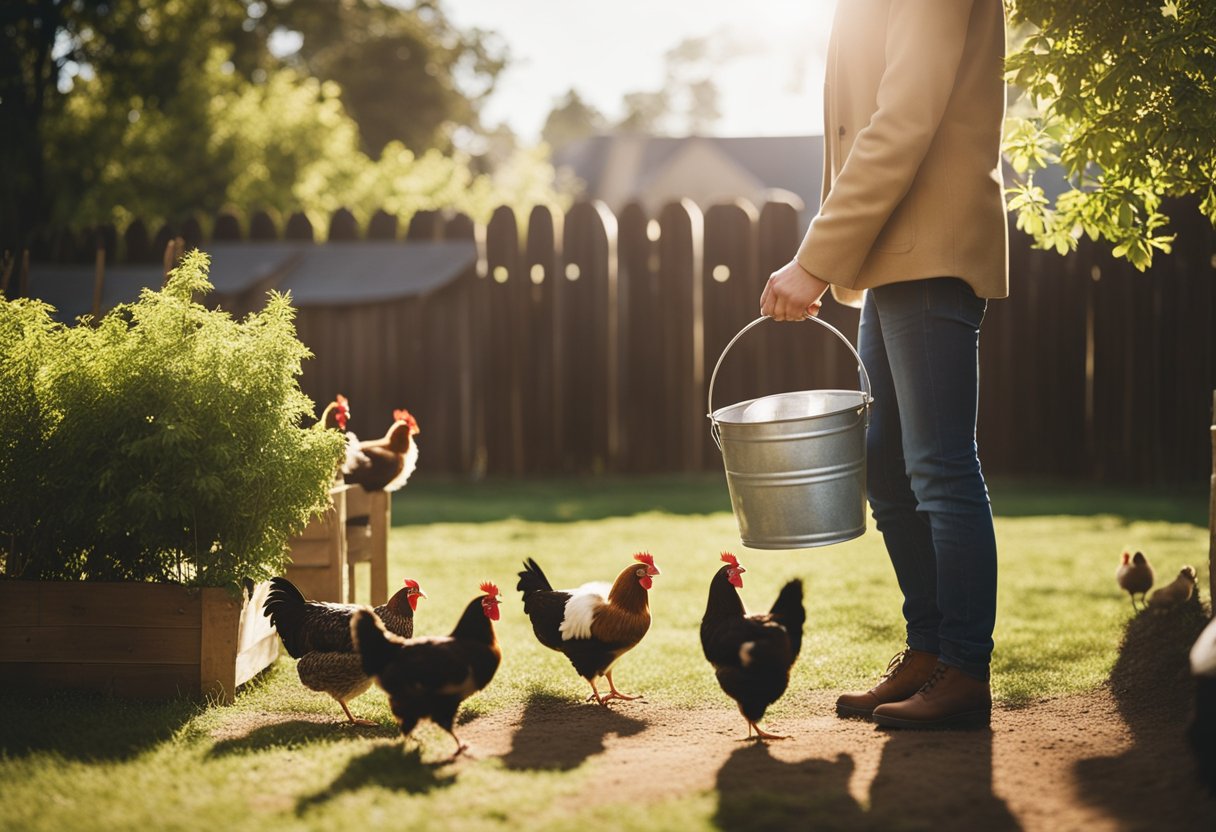
New chicken keepers need to know how to pick the right breeds, understand what young and adult chickens need, and where to buy healthy birds. Each step can help them build a strong and healthy flock for eggs or pets.
Choosing the Right Chicken Breeds
Chicken breeds are different in temperament, egg production, and size. Some, like the Rhode Island Red and Leghorn, lay many eggs. Others, like the Silkie and Orpington, are known for being friendly and easy to handle. Families often choose breeds that are calm and hardy.
People should also think about the climate. Cold-hardy breeds like the Plymouth Rock do better in colder areas. Hotter areas need breeds such as the Australorp, which can handle heat.
The main reasons people get chickens include eggs, meat, or having them as pets. Dual-purpose breeds, such as the Sussex, are good for both eggs and meat. Use the table below to compare some common breeds:
| Breed | Eggs/Year | Temperament | Cold Hardy | Heat Tolerant |
|---|---|---|---|---|
| Rhode Island Red | 250+ | Active | Yes | Yes |
| Leghorn | 280+ | Energetic | Moderate | Yes |
| Orpington | 200+ | Calm | Yes | Moderate |
| Plymouth Rock | 200+ | Gentle | Yes | Moderate |
| Sussex | 250+ | Friendly | Yes | Moderate |
Understanding the Needs of Pullets and Adult Laying Hens
Pullets are young female chickens, usually under one year old. They need a safe, warm area to grow. Proper feed is needed, with more protein for growth. Always provide clean water.
Adult laying hens need different care. Their diet should include layer feed with extra calcium for strong eggshells. They like space to roam and a low-stress area for laying eggs. Clean nesting boxes help keep eggs safe and clean.
Chickens need protection from predators like raccoons and hawks. A sturdy coop and covered runs work best. Ventilation, dry bedding, and regular cleaning keep chickens healthy at all ages.
Selecting Quality Started Pullets and Hatcheries
Buying started pullets saves time, since these chickens are close to laying age. This option skips the early brooding stage. Healthy started pullets should have bright eyes, smooth feathers, and be active.
Quality matters, so it’s important to buy from reputable hatcheries. A good hatchery provides healthy birds, clear vaccination records, and support. Look for reviews or ask other chicken keepers for recommendations.
Started pullets from hatcheries can be shipped or picked up locally. Check the seller’s policies on returns and health guarantees. If possible, visit the hatchery to see in-person how birds are kept and cared for.
Setting Up the Ideal Chicken Coop
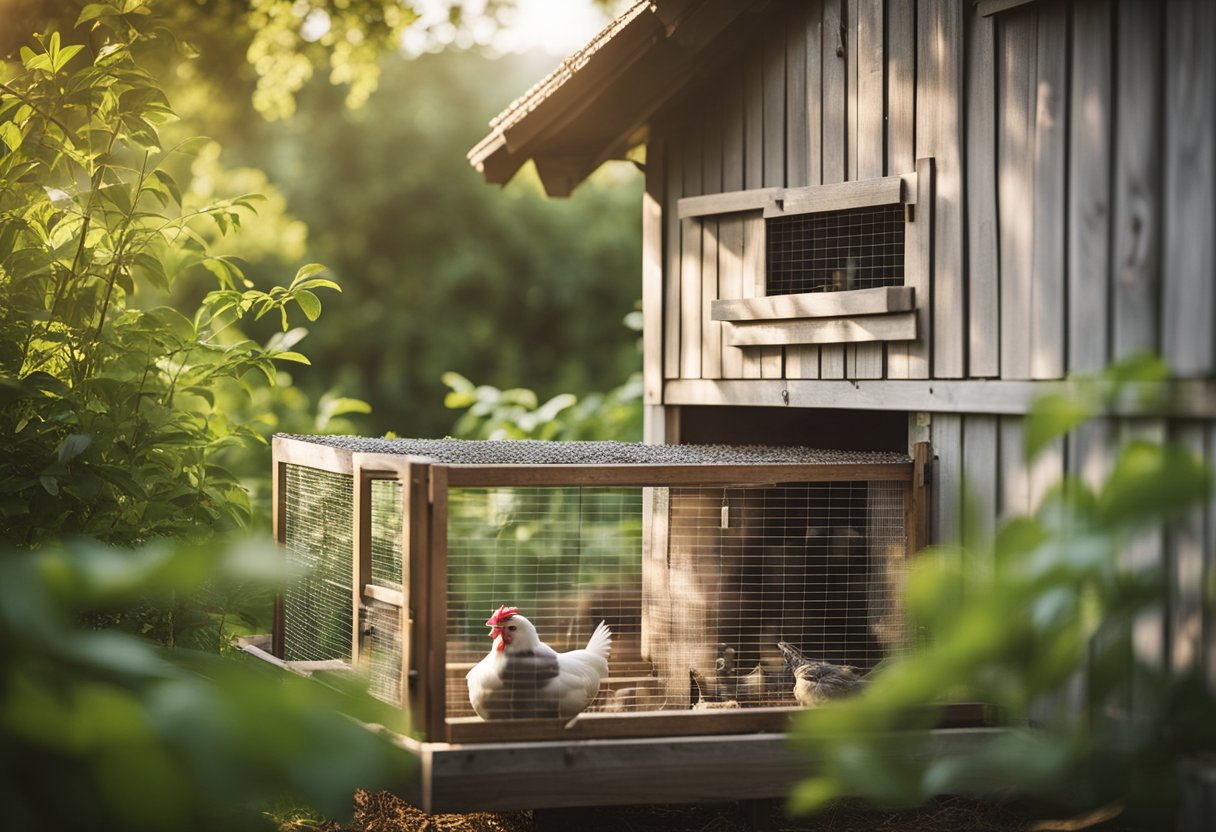
Good chicken coops provide shelter from the weather, space to roam, and safety from predators. Planning, the right equipment, and smart placement are key to keeping chickens healthy and happy.
Chicken Coop Plans and Design Basics
Coop plans should consider the number of chickens. Each chicken needs about 4 square feet of space inside the coop and 8-10 square feet in an outdoor run. Good ventilation is needed to prevent moisture, smells, and overheating.
A well-designed coop includes:
- Windows or vents for airflow
- Solid walls and roof for weather protection
- Easy-to-clean surfaces
If you’re looking for a DIY project, check out Easy Coops! They offer a plethora of plans you can purchase and instructions you follow to create your coop!
Nesting boxes are a must. Plan for one box for every 3-4 hens. Roosting bars let chickens sleep off the ground, which keeps them dry and safe. A simple door or ramp lets chickens move outdoors during the day.
Basic Coop Layout Table (All Available on Amazon)
| Feature | Purpose | Tip |
|---|---|---|
| Nesting Boxes | Egg laying | 12″x12″x12″ size works |
| Roosting Bars | Sleeping | Place higher than boxes |
| Ventilation | Airflow | Use mesh or windows |
| Secure Automatic Door | Safety | Latches keep out pests |
Essential Chicken Equipment and Accessories (Available on Amazon)
Keeping chickens needs more than just a shelter. Feeders and waterers are needed and should be easy to clean. Metal or plastic feeders work well and stop chickens from throwing feed around.
Nesting boxes should be lined with straw or wood shavings. This keeps eggs cleaner and helps hens feel comfortable. Good-quality bedding on the coop floor keeps smells down and helps with cleaning.
A small shovel or poop scooper and a broom help keep the coop tidy. Chickens also enjoy a dust bath area made from sand or dry dirt. This helps control mites and keeps their feathers clean.
Optimal Placement and Safety Considerations
Place the chicken coop on dry, level ground to prevent flooding. The area should get morning sun, but some shade helps keep chickens cool in hot weather. Avoid low spots where water can gather after rain.
Safety is important. Strong wire fencing around the run keeps predators out. Bury fencing at least 12 inches below the ground to stop digging animals. Locks or latches stop raccoons or dogs from opening doors.
Make sure the coop is close enough to the house for easy care. Water and electricity access help with daily tasks. Consider wind direction to keep strong smells away from living areas.
Raising and Caring for Chickens
Chickens need daily attention, the right food, and a clean, safe home. Proper care supports their health, egg production, and happiness.
Daily Chicken Care and Maintenance
Daily care is important for healthy chickens. Owners should check birds each morning and evening for signs of sickness or injury. Watch for unusual behaviors like not eating or being less active.
Key daily tasks:
- Replace water so it stays clean and fresh
- Collect eggs to prevent breakage or pecking
- Check and refill feeders
- Make sure the coop is secure to protect from predators
- Remove any visible droppings or wet bedding
Keep the coop clean and dry to help prevent disease spread. In hot weather, provide shade and extra water. In cold weather, make sure the shelter is dry and draft-free. Read more about tips for each in our post “Chicken Keeping in the US: Helpful Tips and advice”
Feeding and Nutrition for Healthy Flocks
A good diet keeps chickens strong and laying eggs. Chicken feed should contain the right balance of grains, protein, minerals, and vitamins. Most people use commercial layer feed, which is made for hens.
Offer grit to help chickens digest food, especially if they eat anything besides feed. Crushed oyster shells give them calcium for strong eggshells. Feeders should be kept clean to avoid mold or old food, which can make birds sick.
Treats like vegetables, table scraps, or insects are fine in small amounts. Too many treats can cause poor nutrition. Always provide clean water, since chickens will not eat well if water is dirty.
Implementing the Deep Litter Method
The deep litter method is a way to manage chicken coop bedding. Instead of cleaning out all the bedding each week, owners add fresh bedding like pine shavings or straw on top of droppings.
Materials break down over time, creating compost. Turning or mixing the bedding every few days helps it break down faster and keeps it dry. Adding more clean bedding when it smells or looks wet is important.
Some people use diatomaceous earth in the bedding to control mites and reduce odor, but it should not be dusty. About twice a year, remove all bedding and start fresh. The old bedding can be composted and used in gardens. This method saves time and creates less waste if managed properly.
Egg Production and Quality
Good egg production depends on healthy hens, a balanced diet, and proper housing. Fresh eggs taste better and last longer when collected and stored correctly.
Maximizing Egg Production
Hens need enough light, food, and water to lay many eggs. At least 14-16 hours of light each day keeps hens laying during fall and winter. Use artificial lighting if needed.
A proper diet rich in protein and calcium boosts both the number and quality of eggs. Feed hens a layer feed and give them access to clean water at all times.
Keep nesting boxes clean and lined with straw or wood shavings. Aim for one box for every 3-4 hens. Collect eggs often to keep them clean and discourage hens from eating them.
Key points:
- Light: 14-16 hours a day
- Diet: Layer feed, calcium, and clean water
- Nesting boxes: One per 3-4 hens, keep clean and filled
Collecting and Storing Farm Fresh Eggs
Collect eggs from nesting boxes twice a day if possible—morning and evening. This keeps eggs fresh and prevents cracks or breaks.
Wipe dirty eggs with a dry cloth. If they are very dirty, use a damp cloth, but avoid washing unless needed. Washing removes the egg’s protective “bloom,” which helps keep out bacteria.
Store fresh eggs in a cool, dry place out of direct sunlight. A refrigerator works best. Place eggs with the pointy end down to keep them fresh longer.
Egg Storage Tips:
- Collect daily for cleanliness and safety
- Avoid washing unless necessary
- Store at 40°F (4°C) or cooler with the pointy end down
Natural and Sustainable Chicken Keeping
Natural chicken keeping focuses on methods that work with nature, cut down on waste, and encourage healthy flocks. Sustainability in raising poultry includes eco-friendly practices, safe food handling, and smart planning for household needs.
Promoting Self-Sufficiency With Backyard Chickens
Backyard chickens offer fresh eggs and, sometimes, meat right at home. Families gain control over their food, cutting trips to the store and saving money over time. Chickens also eat kitchen scraps, reducing household waste and turning it into eggs.
A small flock of 4-6 hens can lay enough eggs for most families. Chicken droppings act as a natural fertilizer when composted, which helps gardens grow better. Some chicken owners use rainwater collection to keep their birds supplied with water.
Benefits of Self-Sufficiency:
| Benefit | Example |
|---|---|
| Fresh eggs/meat | Daily egg collection, meat for meals |
| Waste reduction | Chickens eating food scraps |
| Garden improvement | Composting manure for fertilizer |
Homesteading Practices and Natural Approaches
Natural chicken keeping means using few or no chemicals. Homesteaders often use secure mobile coops, rotate grazing spots, and let chickens forage for insects. This lowers feed costs and supports natural chicken behaviors.
Many avoid synthetic cleaners by using vinegar for coop cleaning. Herbal nesting materials such as lavender or mint can help with pests naturally. Some families grow their own grains or greens for chicken feed.
Chickens benefit from open space, shade, and shelter from rain. Rotating the flock’s space protects the land from overuse and lowers disease risk. Clean, natural bedding helps keep hens healthy.
Homesteading Tips:
- Rotate chicken pens
- Use herbs for pest control
- Compost bedding and manure
Ensuring Biosecurity and Preventing Salmonella
Biosecurity keeps both chickens and people safe. Salmonella is a common risk in backyard poultry. Wash hands after handling birds or eggs. Clean water and feed dishes every day.
Only bring healthy new birds into the flock. Quarantine new chickens for at least two weeks before mixing them with others. Keep the coop dry and pick up eggs often to stop germs from spreading.
Do not let chickens in the kitchen or food stores. Key steps for biosecurity:
- Wash hands after contact with poultry
- Disinfect tools and shoes
- Quarantine new birds
- Collect eggs daily
Following these steps lowers the chance of sickness for both chickens and their owners.
 Chicken-Keeping