Starting a garden is exciting, but at times it’s easy to feel overwhelmed by conflicting advice from various sources. The good news? Your search for clarity ends here!
Whether you’re starting with a simple garden or dreaming of a small-scale farm, it’s all about striking the right balance. A few rows of vegetables, an herb patch, or even a small flock of chickens can bring immense joy and practicality (read more here). Let’s simplify the journey so you can grow with confidence and enthusiasm!
The ultimate gardening beginners guide includes:
- How to get started
- What to plant for beginners
How to Get Started
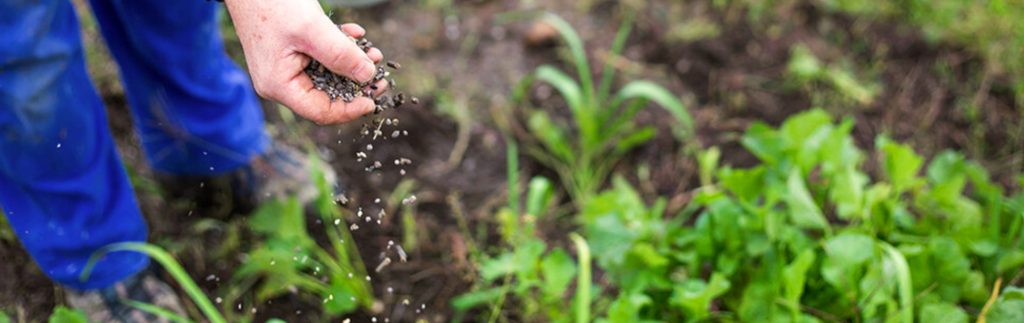
When starting out a garden it is important to know what type of garden you are going to start. What is your plan, are you going to plant directly into the ground, or gardening beds? If the ground, you need to be certain your soil is well fertilized, and aerated. If in gardening beds, it is imperative the boxes have adequate drainage, and high quality potting mix. There are plenty of solutions we will list out for you, first well explore planting directly into the ground. More specifically the main problem of poorly fertilized soil. How do we fertilize? There are two types! Both of which we will explore below!
- Liquid Fertilizers are great when there is a specific area in which needs targeted attention or quick boosts of nutrients. This is a great product for the hobbyist who did not necessarily have the time to properly prep their soil in the gardening offseason, or more commonly known as, winter. These are also a fantastic choice because they are applicable at any stage of plant growth from small sprouts to mature plants!
- Granular Fertilizers are great when prepping soil in the offseason and going into gardening season, spring. Typically granular fertilizers are the better choice when there is a larger area that needs to be fertilized. When it comes to applying this fertilizer you can do so by hand which is not recommended, or you can use the recommended method of a fertilizer spreader.
When picking out a fertilizer spreader, we recommend you choose the right spreader for the area of your planting space. For smaller areas, we recommend Scotts Turf Builder EdgeGuard Mini spreader. And for larger areas we recommend a more industrial spreader like Agri-Fabs Tow-Behind Lawn & Garden Broadcast Spreader.
The benefit of Spreaders is they serve a dual purpose year around. In the spring they are great for spreading fertilizer, and for those who live in icy areas like the midwest and east coast of the United States, the spreaders are a safer application that can be used to spread salt melt to melt snow away!
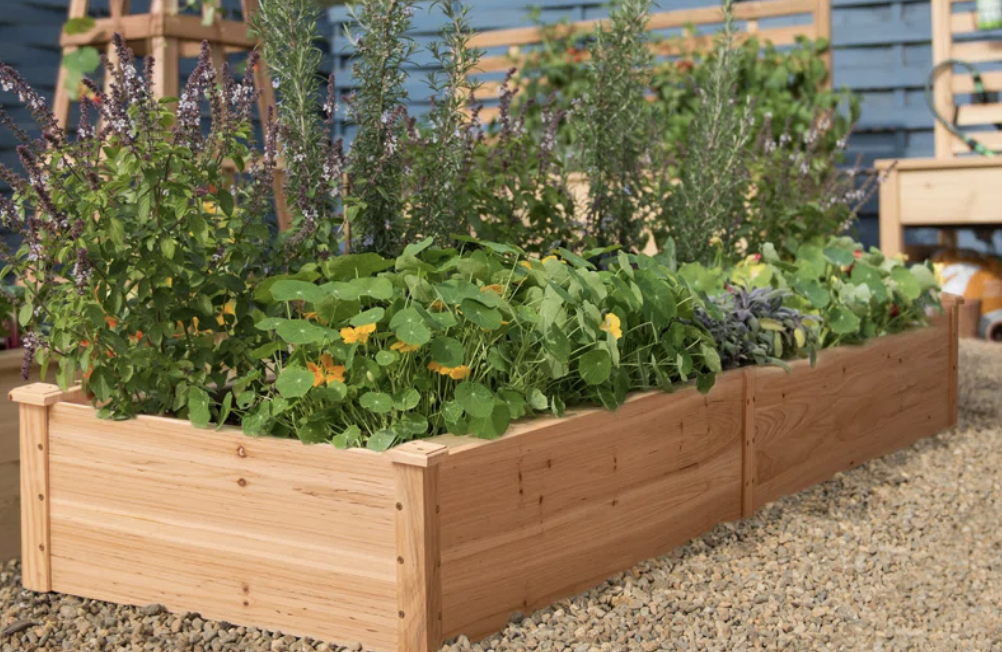
Secondly, well explore planting using gardening beds! Gardening beds are a great option for those who live in urban environments, who may not have access to plant directly into the ground. With that said there are two main types we will explore, wooden gardening beds, and aluminum gardening beds.
- Wooden Gardening Beds are popular for a number of reasons. First is their natural aesthetic, the wooden beds blend in very well with natural surroundings and inherently give any garden with them in it a warm and organic look. Wooden beds are also typically more affordable than their aluminum beds, especially if the wood is reclaimed or untreated. However untreated wood has it drawbacks. The main one being, it can rot leading to short lived life. However that risk can be easily mitigated by making the investment in a treated wood bed.
- Aluminum Gardening Beds also serve their own benefits. They are lightweight and easy to move around, while also offering a sleek modern look that works extremely well in urban spaces. They can last anywhere between 10 to 20 years with minimal maintenance, and unlike wooden gardening beds, aluminum garden beds are resistant to rot, mold, and pests, that can break down the wood over time. A drawback Aluminum, beds is in the warmer climates metal heats up much quicker than wood. However, this can be managed with mulch and adequate watering.
When picking out a gardening bed, it is important to know your preferences. If you want a more classic aesthetic looking garden, the a wooden bed is your pick. If you want a more modern looking setup, then aluminum is your pick. Ultimately it is really up to you, functionality for both is there, it is really a matter of looks!
What to Plant For Beginners
The easiest plants for beginners are those that show results fairly quickly, are low maintenance, and do not require specialized equipment. Some of the plants we find fit that criteria best are:
- Leafy Greens – Time to Harvest: 20 to 50 days
- Root vegetable – Time to Harvest: 20 to 70 days
- Beans & Peas (Bush Type) – Time to Harvest: 50 to 65 days
- Herbs – Time to Harvest: 25 to 45 days
- Flowers – Time to Harvest: 35 to 65 days
These plants do not have any specific needs, or special attention. They can thrive in the ground, in Aluminum, or Wooden gardening beds as well. They also offer a fast, fun and rewarding grow experience which is ideal for beginners wanting to gain confidence in the hobby.
Gardening is more than just a hobby—it’s a journey of creativity, connection, and growth. Whether you’re planting directly into the ground, using gardening beds, or even exploring the idea of a small-scale farm, the possibilities are endless. With the right tools, techniques, and a bit of patience, you’ll watch your hard work blossom into something truly rewarding. Start small, dream big, and enjoy every moment of nurturing your garden. Happy planting!
 Chicken-Keeping